
Asset integrity is not an event. It is a discipline, one that must be applied continuously across the entire lifecycle of an asset.
In industrial and subsea environments, assets are constantly exposed to forces that degrade their structural and operational integrity. Corrosion, fatigue, erosion, vibration, pressure cycling, and environmental loading do not pause between inspection campaigns. As a result, a one-time or periodic “snapshot” inspection can only tell part of the story, what the asset looked like then, not what it is becoming now.
For operators working in complex subsea conditions, such as those addressed by Eddyfi and TSC Subsea, asset integrity must be treated as a continuous, data-driven process, not a checkbox exercise.
Below are the core reasons why.
1. Degradation Is Dynamic by Nature
Corrosion and erosion never stop
Degradation mechanisms are time-dependent and progressive. Once corrosion or erosion initiates, it evolves, sometimes slowly, sometimes aggressively, depending on operating conditions.
- Active corrosion & erosion: These mechanisms accelerate under changing flow rates, temperature, chemistry, and pressure. Without continuous measurement, early-stage damage often goes undetected until it becomes critical.
- Continuous monitoring advantage: Technologies such as permanently installed ultrasonic sensors enable operators to track wall loss trends over time, rather than relying on isolated thickness readings.
Subsea assets demand repeatable monitoring
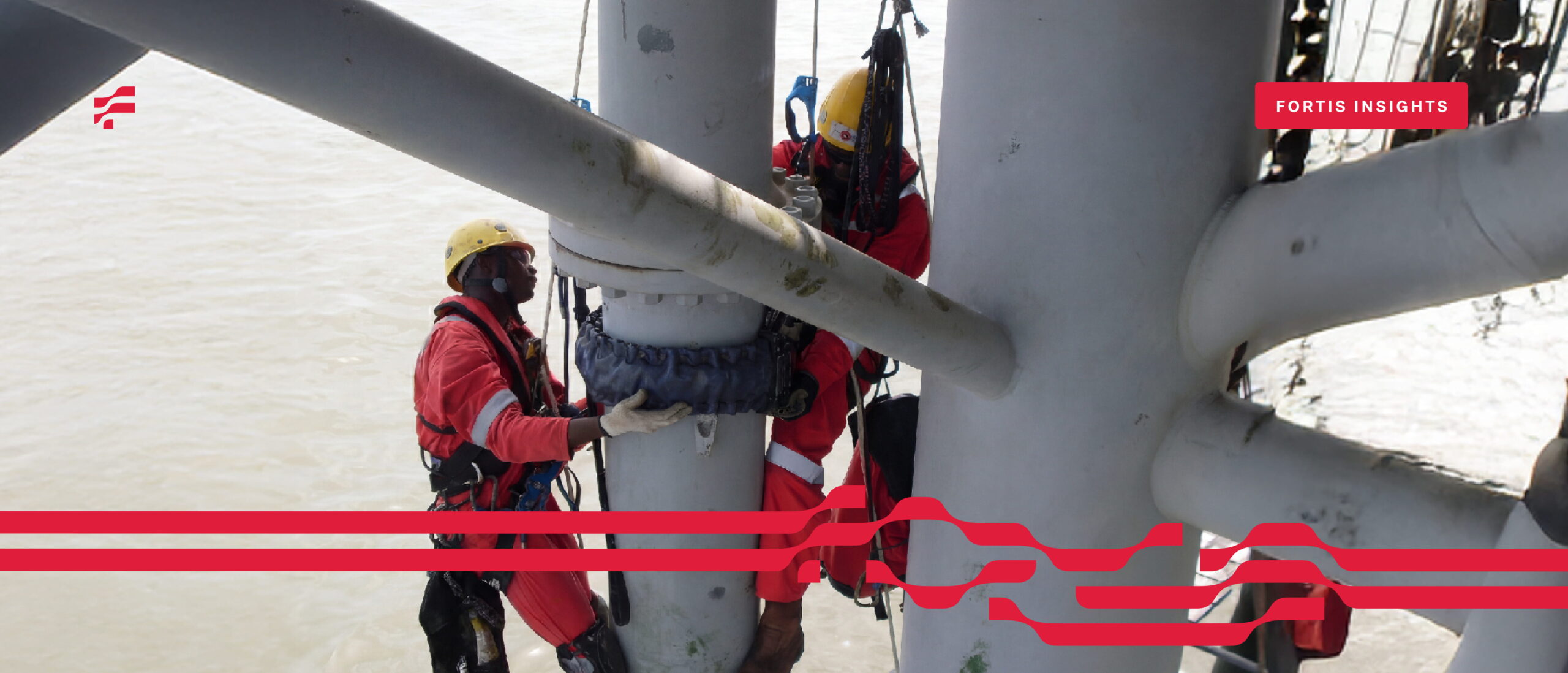
Subsea infrastructure cannot be visually inspected or manually accessed like topside assets.
- Inspection relies on remote, repeatable methods, not sporadic intervention.
- ROV-deployed tools allow operators to return to the same locations, measure degradation rates, and validate integrity assumptions over time.
A single inspection might confirm that an asset is acceptable today, but it says little about how fast it is deteriorating.
2. Proactive Risk Management Beats Reactive Maintenance
From failure response to failure prevention
A continuous asset integrity approach enables a shift from reactive maintenance to predictive decision-making.
- Unplanned failures offshore are expensive, disruptive, and potentially catastrophic.
- Continuous monitoring allows operators to identify leading indicators of failure long before they escalate.
Detecting defects without disrupting operations
Advanced inspection technologies now allow for in-service monitoring, even through coatings and in harsh subsea environments.
- Crack detection and sizing can be performed without coating removal.
- Structural health can be assessed without shutting down production.
Data trending enables better decisions
By trending integrity data over time, operators can:
- Predict remaining life
- Optimize inspection intervals
- Schedule repairs during planned shutdowns
- Avoid emergency interventions altogether
This is the difference between managing risk and merely reacting to it.
3. Asset Integrity Is a Lifecycle Obligation
Integrity does not start at commissioning and it doesn’t end at operation
True asset integrity management spans the entire lifecycle:
- Design and material selection
- Fabrication and installation
- Commissioning and operation
- Life extension and decommissioning
Each phase introduces new risks, loading conditions, and degradation drivers.
Keeping integrity data “evergreen”
Risk-Based Inspection (RBI) models are only as good as the data behind them.
- Operating conditions change.
- Corrosion rates evolve.
- Damage mechanisms shift.
Without continuous updates, integrity models become outdated, creating a false sense of security. Continuous monitoring keeps integrity data current, relevant, and defensible.
4. The Economic Case for Continuous Integrity
Fewer surprises, lower costs
Continuous integrity management delivers measurable financial benefits:
- Reduced unplanned shutdowns
- Fewer emergency repairs
- Optimized inspection campaigns
- Lower offshore intervention costs
Avoiding just one major unplanned subsea intervention can save millions.
Maximized uptime and asset value
Assets monitored continuously operate closer to their optimal performance envelope.
- Higher availability
- Improved production reliability
- Extended asset life
Periodic inspections may confirm compliance, but continuous integrity protects value.
Enabling Continuous Asset Integrity: Key Technologies
Modern asset integrity programs are enabled by advanced inspection and monitoring solutions, including:
- Permanently installed ultrasonic monitoring systems for 24/7 corrosion tracking
- Advanced electromagnetic inspection techniques capable of detecting cracks through coatings and marine growth
- ROV-deployed inspection platforms for repeatable subsea assessment of pipelines, risers, and structures
Together, these technologies transform asset integrity from a periodic obligation into a living system of assurance.
Asset integrity is not about proving that an asset was safe once. It is about ensuring that it remains safe, reliable, and productive every day.
In subsea and high-risk industrial environments, integrity is earned through continuous visibility, continuous data, and continuous action. Anything less is not asset integrity, it is assumption.